


Construction Connections: Connecting Structural Elements
Like the veins of a structure’s body, construction connections play a vital role in the transfer of forces and the integrity of the entire building. These connections connect different structural elements such as columns, beams, walls and ceilings, allowing them to function as a unified unit.
Types of Construction Connections
Construction connections are divided into different categories based on the material, the type of force transmitted and the method of execution. Some of the most important types of connections are:
Metal connections: These connections are usually made using welding, bolts or rivets and are very common in steel structures.
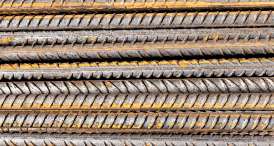
Concrete connections: In concrete structures, connections are usually made using reinforcement and concrete.
Wooden connections: In wooden structures, connections are made using nails, screws, rivets or prefabricated wooden connections.
Masonry joints: In masonry structures, joints are usually created using mortar or masonry materials such as bricks and blocks.
Importance of building joints
Transfer of forces: Joints transfer forces such as weight, earthquake, and wind forces from one member to another.
Ensuring structural stability: Joints ensure that the structure is resistant to external forces and does not deform.
Creating structural integrity: Joints ensure that the various components of the structure act as a unified whole and that the structure acts as a resistant unit.
Facilitating the implementation of the structure: Joints contribute to the simplicity and speed of the implementation of the structure.
Factors affecting the design of joints
Type of materials: The type of materials used in joints affects the type of connection and its implementation method.
Type of loading: The type of loading on the connection (fixed, moving, seismic) affects the design of the connection.
Size and shape of members: The size and shape of the members that are connected affect the design of the connection.
Environmental conditions: Environmental conditions such as humidity, temperature, and corrosion affect the durability of the connection.
Important points in designing joints
Precise calculations: Joint design should be based on accurate engineering calculations to ensure sufficient joint strength.
Attention to details: Joint execution details such as weld type, bolt diameter, and bolt spacing are very important and must be designed carefully.
Quality control: The quality of joint execution should be carefully controlled to prevent defects and defects in the joint.
Types of joint failures
Fatigue: Joints may fatigue and break due to the application of alternating loads.
Shear failure: Joints may experience shear failure due to the application of high shear force.
Tensile failure: Joints may experience tensile failure due to the application of high tensile force.
Corrosion: Joints may experience corrosion due to contact with moisture and corrosive materials.
Conclusion
Construction joints play a very important role in the safety and performance of structures. Proper design and implementation of joints contributes greatly to the useful life of the structure and the safety of its occupants. Therefore, the design and implementation of joints must be carried out carefully and by experts.
افزودن دیدگاه