


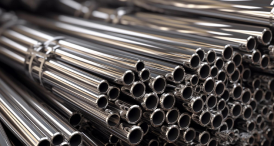
Can and Profile: Columns of Metal Structures
Can and profile are two of the most widely used types of steel sections used in various industries, especially construction. Both of these sections play an important role in the construction of metal structures due to their high strength, low weight and ductility. However, there are differences in the shape, dimensions and applications of these two products, which we will examine below.
Can
A can is a hollow steel section with a square or rectangular cross-section. Cans are produced in various thicknesses and dimensions and are widely used in the construction of metal structures such as columns, beams, door and window frames and the construction of metal furniture.
Can features:
High strength: Cans have very high strength relative to their weight due to their hollow cross-section.
Light weight: The light weight of cans reduces the dead load of the structure and thus reduces construction costs.
High ductility: Cans are easily bent and cut, allowing the construction of complex structures.
Torsional resistance: Cans have excellent torsional resistance due to their geometric shape.
Can applications:
Construction: Construction of columns, beams, door and window frames, light and heavy metal structures
Automotive industry: Construction of car chassis, body parts and reinforcing structures
Furniture industry: Construction of metal furniture, shelves and industrial equipment
Profile
Profile is a general term for various types of steel sections with different shapes. Profiles are produced in various shapes such as I, H, T, L and … Each of these shapes has its own characteristics and applications.
Types of profiles:
I-profile: I-profile or beam is one of the most widely used types of profiles used in the construction of columns, beams and main structures of buildings.
H-profile: H-profile or hash, is similar to I-profile, but has wider wings and is used in structures that require greater resistance to bending.
T-profile: T-profile or T-shaped beam, is used in the construction of beams, trusses and joints.
L-profile: L-profile or angle, is used in the construction of frames, corners and joints.
Profile applications:
Construction: Construction of columns, beams, trusses, frames and metal structures
Automotive industry: Construction of car chassis, body parts and reinforcing structures
Shipbuilding industry: Construction of ship metal structures
Bridge industry: Construction of bridges and large metal structures
Difference between box and profile
Profile box features
Various square or rectangular cross-section shapes (I, H, T, L, etc.)
Applications for construction of columns, beams, frames, furniture Construction of columns, beams, trusses, frames, connections
High torsional resistance depending on the cross-section shape
High ductility depending on the cross-section shape
Choosing between box and profile
The choice between box and profile depends on various factors such as the type of structure, loading, dimensions and budget. To choose the most appropriate section, a structural engineer should be consulted.
Important points in choosing cans and profiles:
Steel quality: Use high-quality and standard steel.
Accurate dimensions: Select the dimensions of cans and profiles carefully.
Suitable welding method: Use the appropriate welding method to connect the parts.
Structure design: The structure design should be done by a structural engineer.
Conclusion
Cans and profiles are two widely used products in the construction industry, each of which has its own characteristics and applications. The choice between these two products depends on various factors. Given the information provided in this article, you can make a better choice.
افزودن دیدگاه