


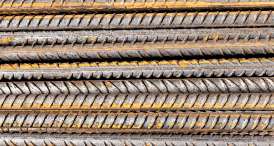
Construction Pipe: The Lifeblood of Buildings
Construction pipes are essential and vital elements in any building that play an important role in supplying water, gas, sewage, and heating and cooling systems. These pipes are made of different materials, and each is suitable for a specific application.
Types of Construction Pipes
Construction pipes are divided into different types based on material, application, and production standards. Some of the most important types of construction pipes are:
Steel pipes: These pipes are suitable for industrial applications and high-pressure fluid transportation due to their high strength and resistance to pressure.
Cast iron pipes: Cast iron pipes are mostly used in sewage and gas networks due to their high weight and corrosion resistance.
Copper pipes: Copper pipes are used in heating and cooling systems as well as drinking water transportation due to their corrosion resistance and high heat transfer.
Polyethylene pipes: Polyethylene pipes are used in water supply and gas supply systems due to their light weight, flexibility, and resistance to corrosion.
PVC pipes: PVC pipes are used in sewage and irrigation systems due to their resistance to chemicals and reasonable price.
Galvanized pipes: Galvanized pipes coated with a thin layer of zinc are resistant to rust and are used in water supply systems.
Construction pipe applications
Construction pipes are used in various parts of the building, including:
Water supply system: To transport drinking water from the source to the consumer.
Sewage system: To collect and dispose of sewage.
Heating system: To transport hot water or steam for heating the environment.
Cooling system: To transport refrigerant for cooling the environment.
Gas supply system: To transport natural gas to the consumer.
Construction Pipe Standards
Construction pipes must be manufactured and installed in accordance with specific standards to ensure their quality and safety. Some of the most important construction pipe standards are:
Iranian National Standard: Iranian national standards determine technical specifications, test methods, and installation conditions for each type of pipe.
International Standards: International standards, such as the ISO standard for construction pipes, specify general requirements for the design, production, and testing of pipes.
Important points in selecting and installing construction pipes
Choosing the right material: The pipe material should be selected according to the type of fluid, pressure, temperature, and environmental conditions.
Pay attention to pipe diameter: The pipe diameter should be selected according to the fluid flow rate.
Using appropriate fittings: Pipe fittings should be of appropriate material and quality to prevent leakage.
Correct installation: Pipes should be installed by specialists using appropriate tools.
Insulation: Hot and cold water pipes should be insulated to prevent heat loss.
Conclusion
Construction pipes are the lifeblood of buildings, playing an important role in supplying water, gas, sewage, and heating and cooling systems. Proper selection and installation of pipes contributes significantly to the longevity and efficiency of the building. Therefore, it is best to seek help from experienced and qualified professionals in selecting and installing construction pipes.
افزودن دیدگاه